
Publications
An essay collection in progress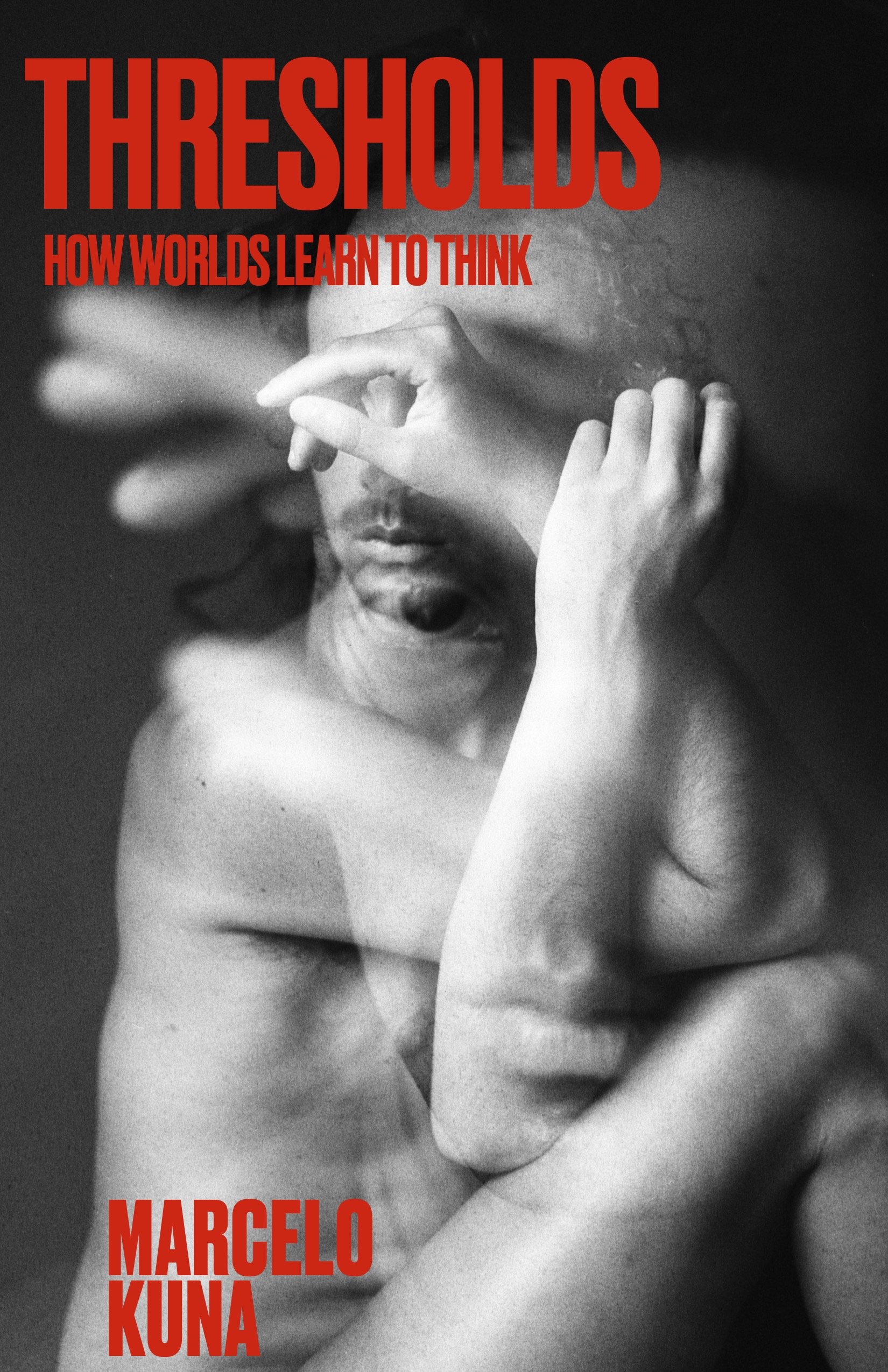
© Marcelo Kuna / Amelie Alternate
Thresholds gathers ten essays exploring the threshold as a method of thought — the charged, unstable space where knowledge, desire, grief, and embodiment refuse to resolve into certainty. Drawing on decolonial epistemology, queer theory, and Afro-diasporic thought, the collection moves between personal narrative and cultural criticism to ask what becomes possible in the spaces institutions cannot quite name or control.
Individual essays will be linked here as they find publication.
Agent inquiries for Thresholds welcome. Contact
From Pombagira’s Crossroads:
Undoing Patriarchal (Mis)Representations of ‘Wicked Women’
Open Access — Culture (MDPI), 2026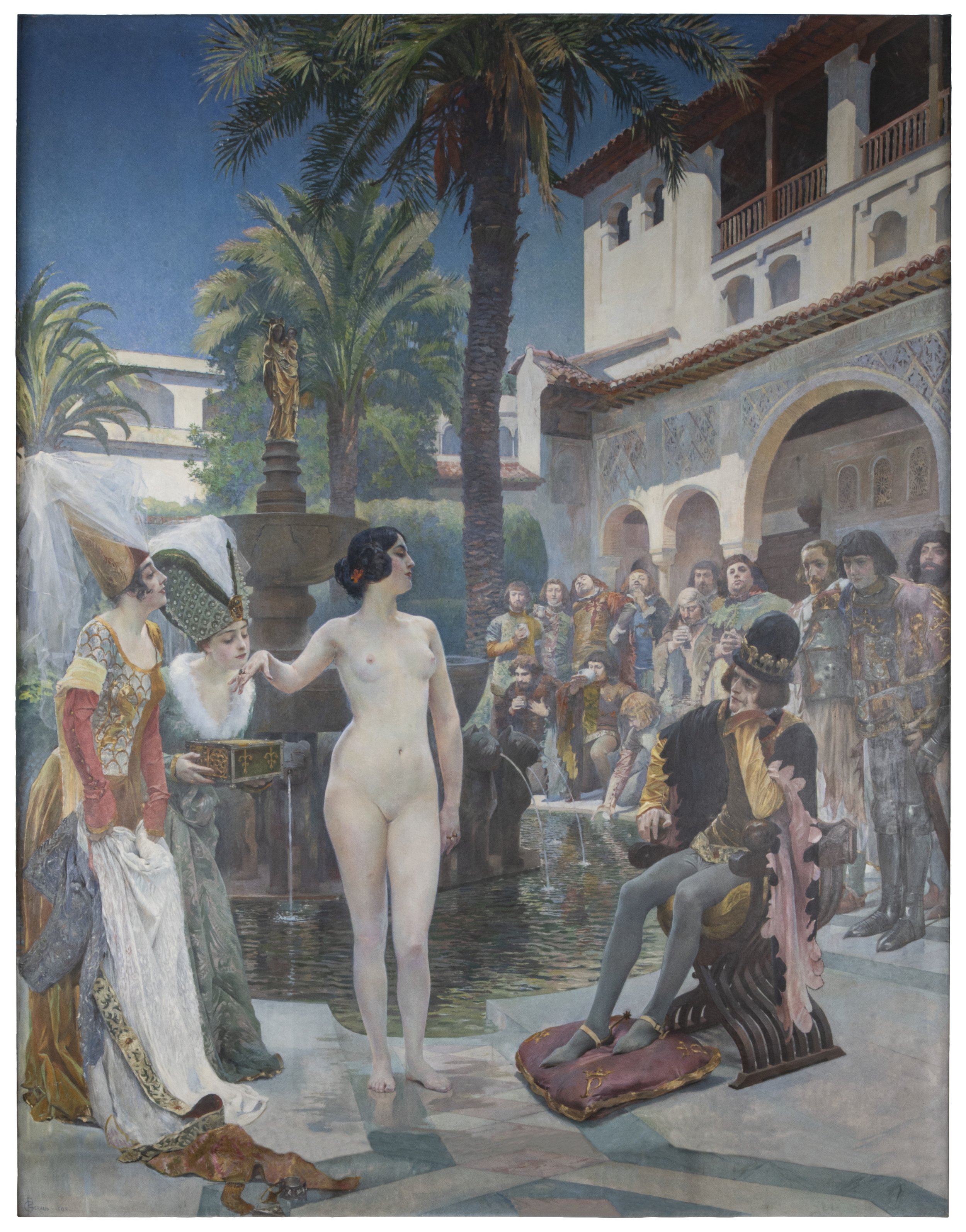
Paul-Jean-Louis Gervais, María de Padilla, 1895
© Alban Gilbert
This indisciplinary essay traces the figure of Pombagira — the Afro-Brazilian spiritual entity of the crossroads, sexuality, and transgression — across opera, musical theatre, and film, reading her not as a curiosity of the religious margins but as an occultural archetype that has been systematically distorted by patriarchal and colonial frameworks of representation. Drawing on occultural studies (Christopher Partridge), decolonial epistemology (Walter Mignolo, Boaventura de Sousa Santos), and feminist theory (Gloria Anzaldúa, Audre Lorde, Silvia Federici), the essay proposes Pombagira and her inseparable counterpart Exu as a non-dual dyad whose radical refusal of moral binaries — good/evil, sacred/profane, feminine/masculine — constitutes a political and aesthetic provocation to the Western stage. The argument unfolds through close readings of canonical and marginal repertoire, demonstrating how the reclamation of so-called 'wicked women' is not revisionism but epistemological necessity. DOI: 10.3390/culture2030018
Embodied Critique and the Limits of Genealogy:
At the Crossroads of Knowledge
Under peer review — European Journal of Cultural Studies (SAGE), 2026
This article intervenes in a foundational methodological tension within cultural and decolonial studies: the reliance on genealogical critique as the privileged mode of knowledge production, and its structural resistance to self-scrutiny. Drawing on Foucauldian genealogy's own blind spots — as recently theorised by Jason Ānanda Josephson Storm (The Genealogy of Genealogy, 2026) — the article argues that genealogical methods tend to reproduce the epistemic hierarchies they set out to dismantle, particularly when applied to non-Western knowledge traditions. The alternative proposed here is rooted in the Afro-Brazilian concept of the encruzilhada (crossroads), developed through the work of Luiz Rufino (Pedagogia das Encruzilhadas) and Lélia Gonzalez (Amefricanidade), and read alongside the embodied epistemologies of Audre Lorde, Gloria Anzaldúa, and María Lugones. The crossroads is offered not as metaphor but as methodology: a site of encounter, friction, and transformation that decolonial critique has yet to fully inhabit.
Weißer Käse, Schattenströme
Pseudotherapie, epistemische Gewalt und die Ökonomie des Heilens im gegenwärtigen Berlin
Under peer review — Zeitschrift für Empirische Kulturwissenschaft (ZEKW), 2026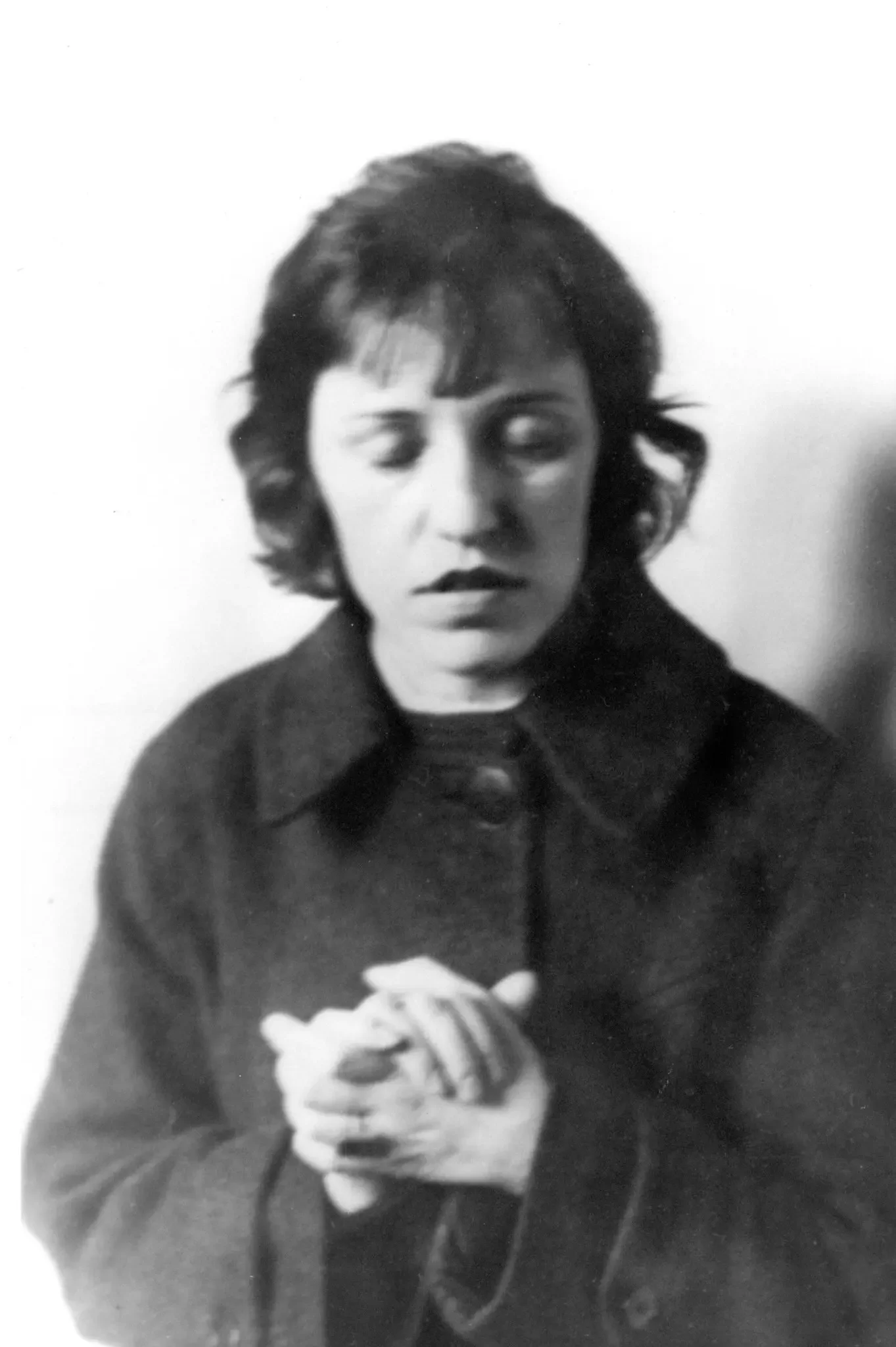
Lotte Lenya as the blind girl from “Das Lied vom weißen Käse” (Weill/Weisenborn)
© Kurt Weill Foundation for Music
This article examines Berlin's expanding commercial wellness and alternative therapy scene as a site of epistemic violence: a space where non-Western healing traditions are appropriated, decontextualised, and monetised in ways that simultaneously harm their practitioners and the communities from which they originate. Using autoethnographic methodology (Ellis, Adams, Bochner) combined with qualitative fieldwork interviews, the essay documents how the absence of meaningful regulation under Germany's Heilpraktikergesetz enables a largely unaccountable market in which vulnerable clients — often already marginalised — are exposed to financially and psychologically exploitative practices. The theoretical framework draws on Santos's epistemicide, Mignolo's colonial wound, and Hanegraaff and Stuckrad's scholarship on Western esotericism, situating the Berlin wellness scene within a broader genealogy of modernity's relationship to the occult, the marginal, and the curative.
At the Crossroads of Knowledge:
Undoing the Patriarchy with the Pombagira

Anna Tullia De Luca as Pombagira
“At the Crossroads of Knowledge - Undoing the Patriarchy with the Pombagira” is a Master's Thesis created in a dialogical and artistic approach for the award of the academic degree Master of Arts in Cultural History and Theory by the Humboldt University of Berlin in 2023. Created from the conjoining of seemingly disparate fields of knowledge, such as Religion, Spirituality, (Western modern) Science, Occult Sciences, Art Theory and Aesthetics, and beyond, this publication is a feminist undertaking against the Patriarchy through the reenchantment of the world (building upon criticisms on 'die Entzauberung der Welt', Max Weber 1921). The importance of this volume lies in its decolonial proposal of an embodied 'spiritual mestizaje' (Gloria Anzaldúa, 1987; Theresa Delgadillo, 2011) through the spiritual-scientific process of undoing capitalist patriarchal disciplinary thinking, in the hopes of achieving a true “emancipation of the subaltern classes” (Antonio Gramsci, 1971), especially the emancipation of women and their ancestral knowledge of the Occult. More than a pop hors d’ouevre revisionism of the Witch Hunts, this work is a dawn song from the marginalised, in the wake of a new historical period marked by feminist revolutions. DOI: 10.18452/26245


© Fernando Badharó
I Am The Naughty Lola!
A feminist art manifesto that focuses on a male body dancing with camp sensibility. Developed from the artistic Monograph “Transviado”, submitted for the award of the bachelor’s degree in Comunicação das Artes do Corpo (Communication of the Arts of the Body) at PUC-SP, Brazil, in 2015.